

Planes
Since I was a child and up to this day, I have been fascinated by airplanes. My dream job was to become an airline pilot, but bad eyesight led me into engineering instead that gets me onto planes a lot. I still have vivid memories of my very first flight aboard a Caravelle to Calvi in Corsica with the late Air Inter, of touching the tyres of the A320 in Le Bourget after a demo flight, and many more.
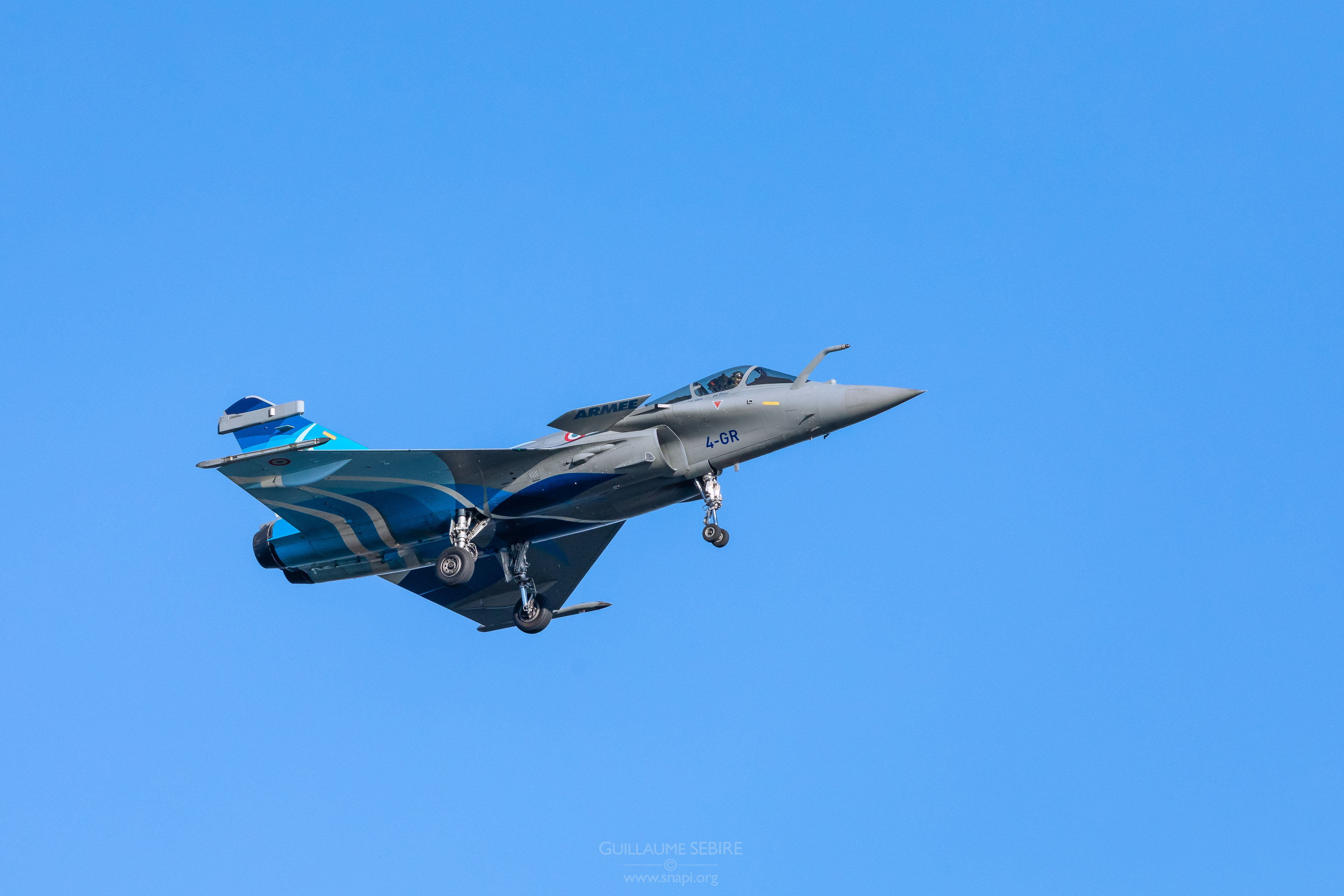
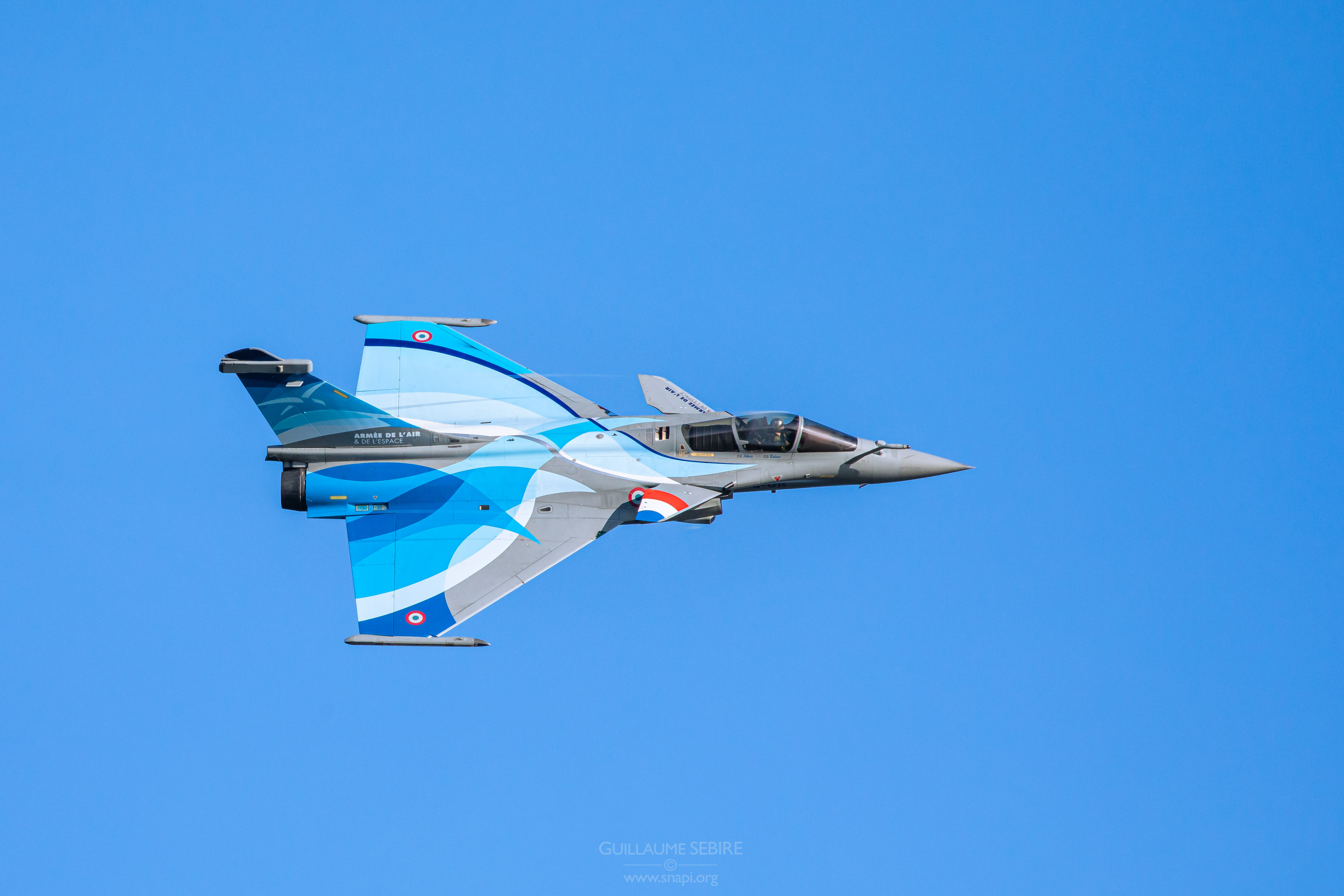
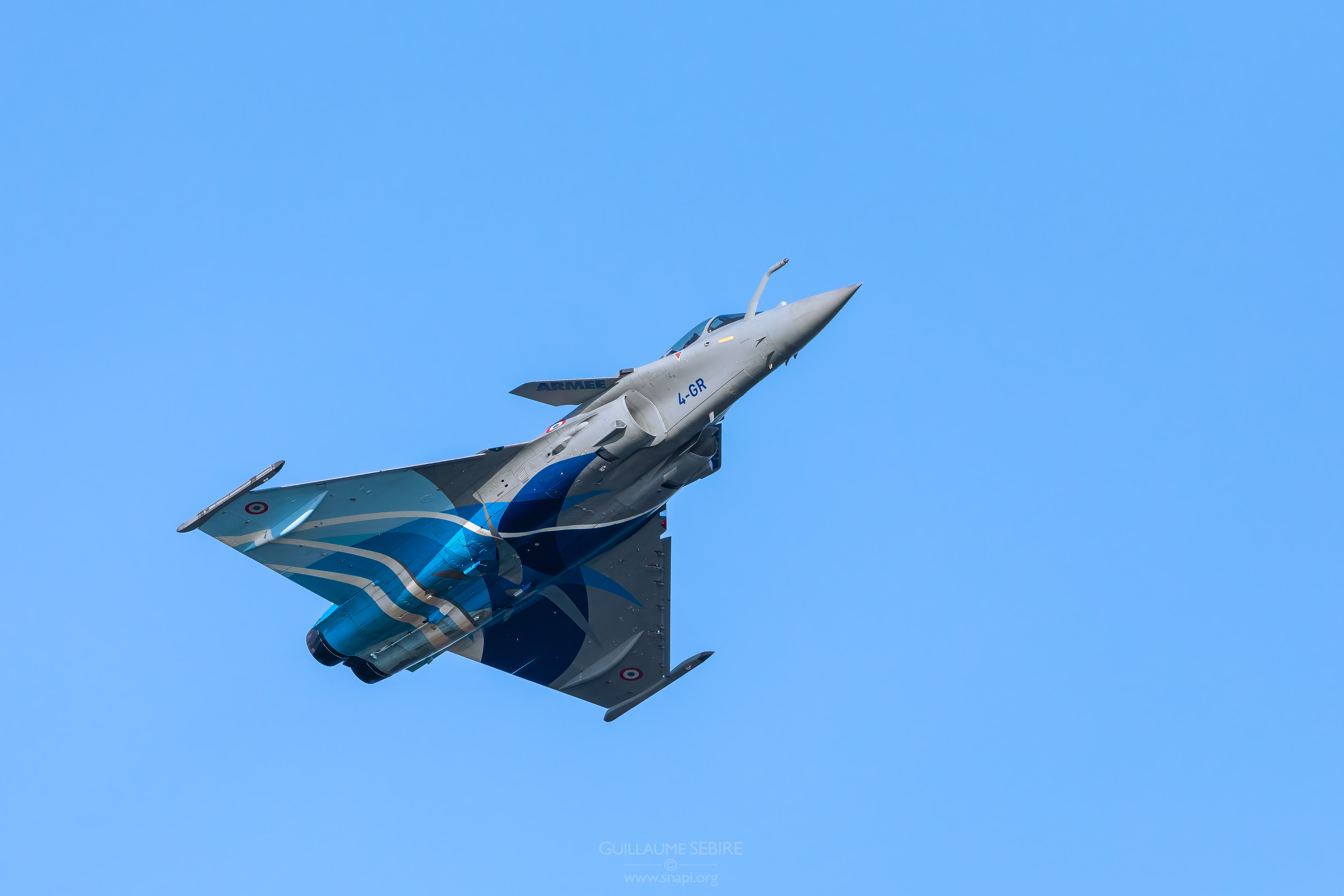
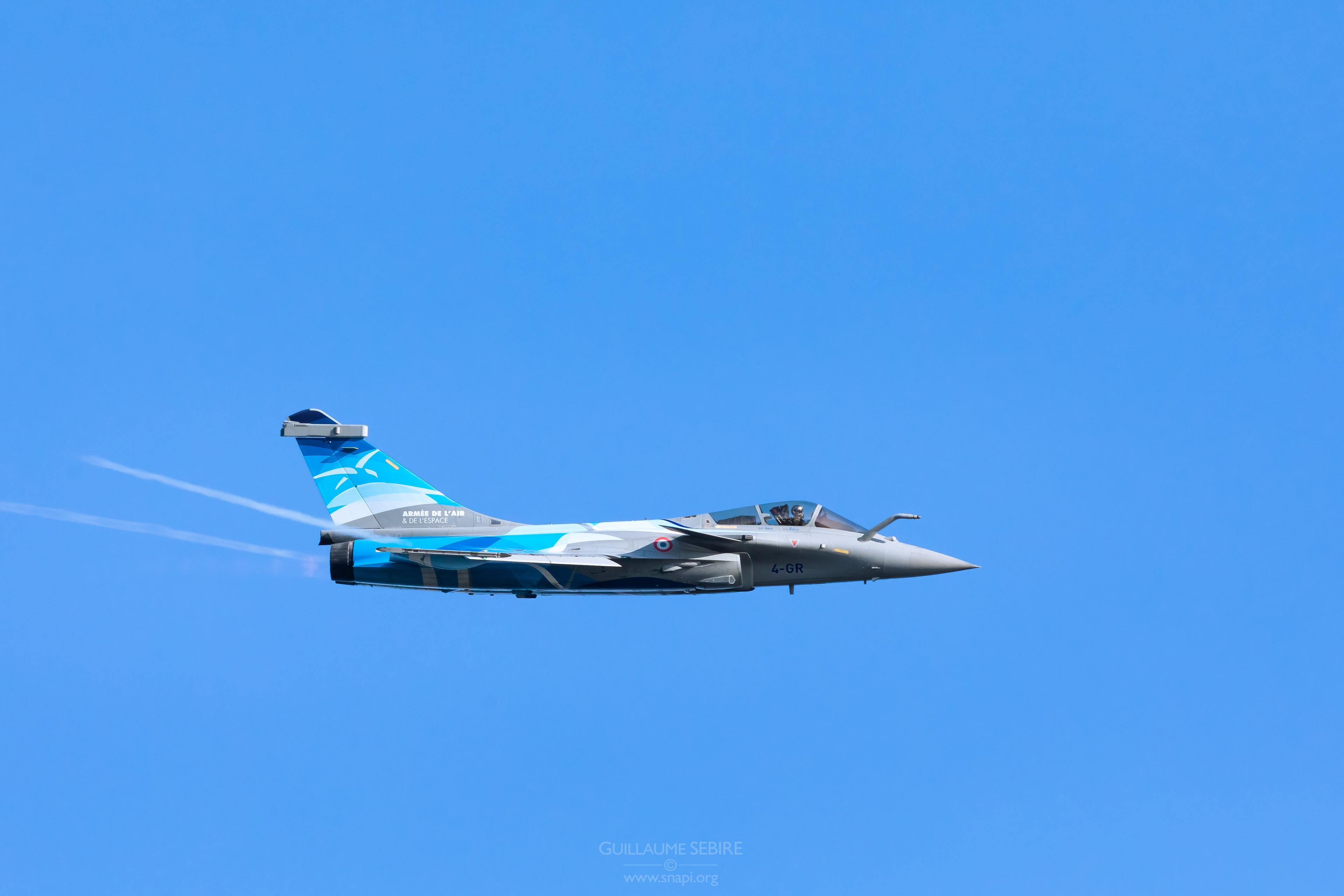
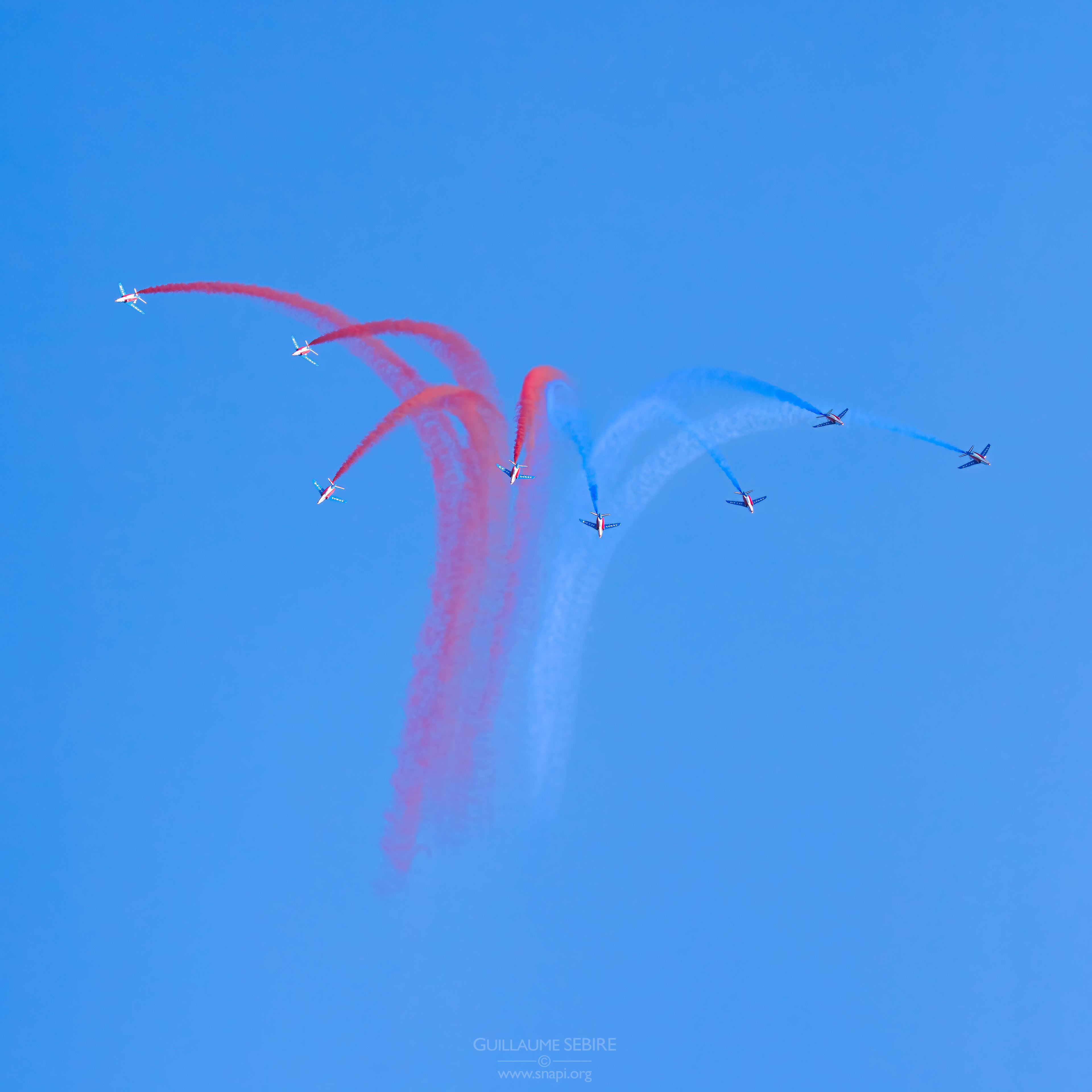
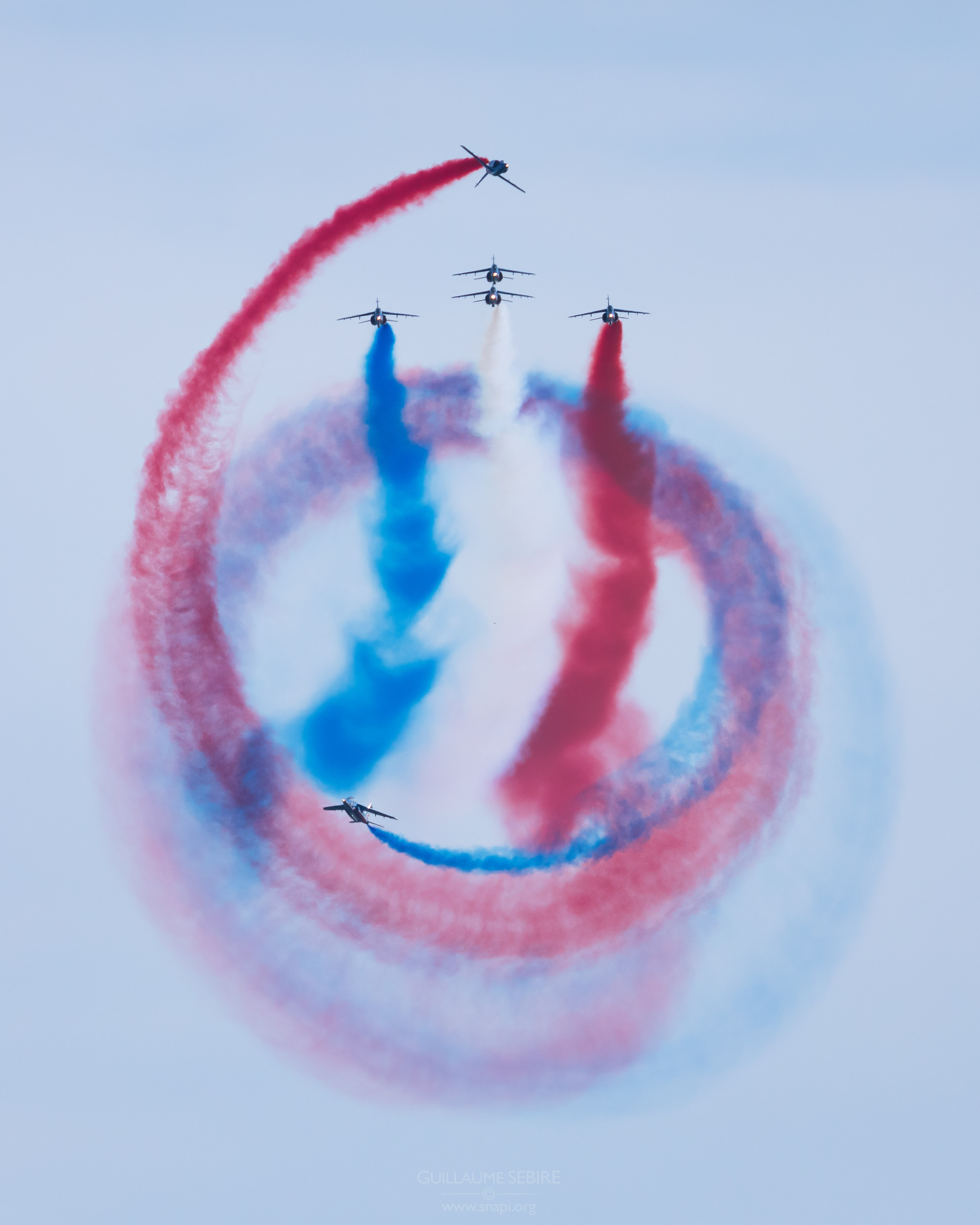
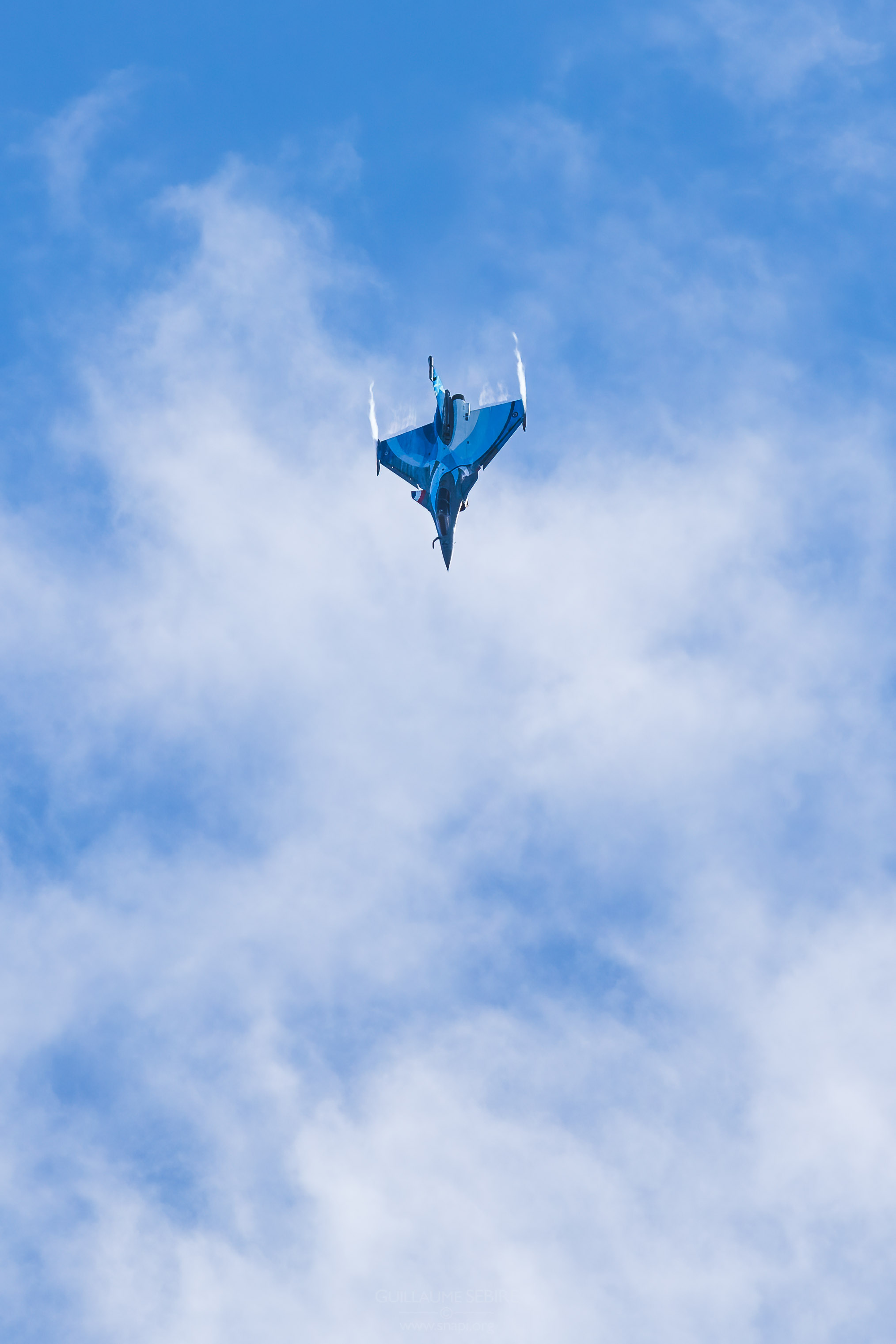
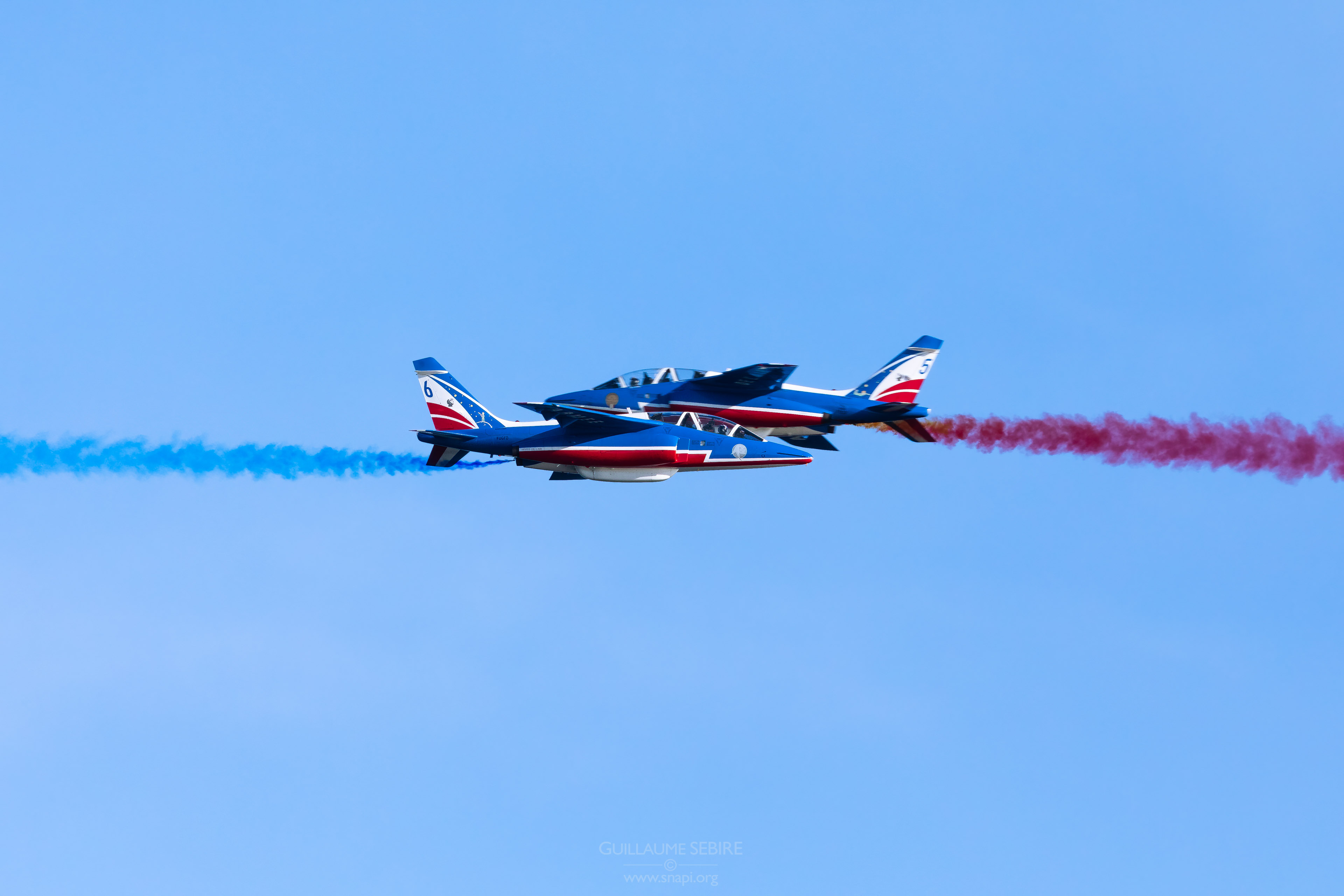
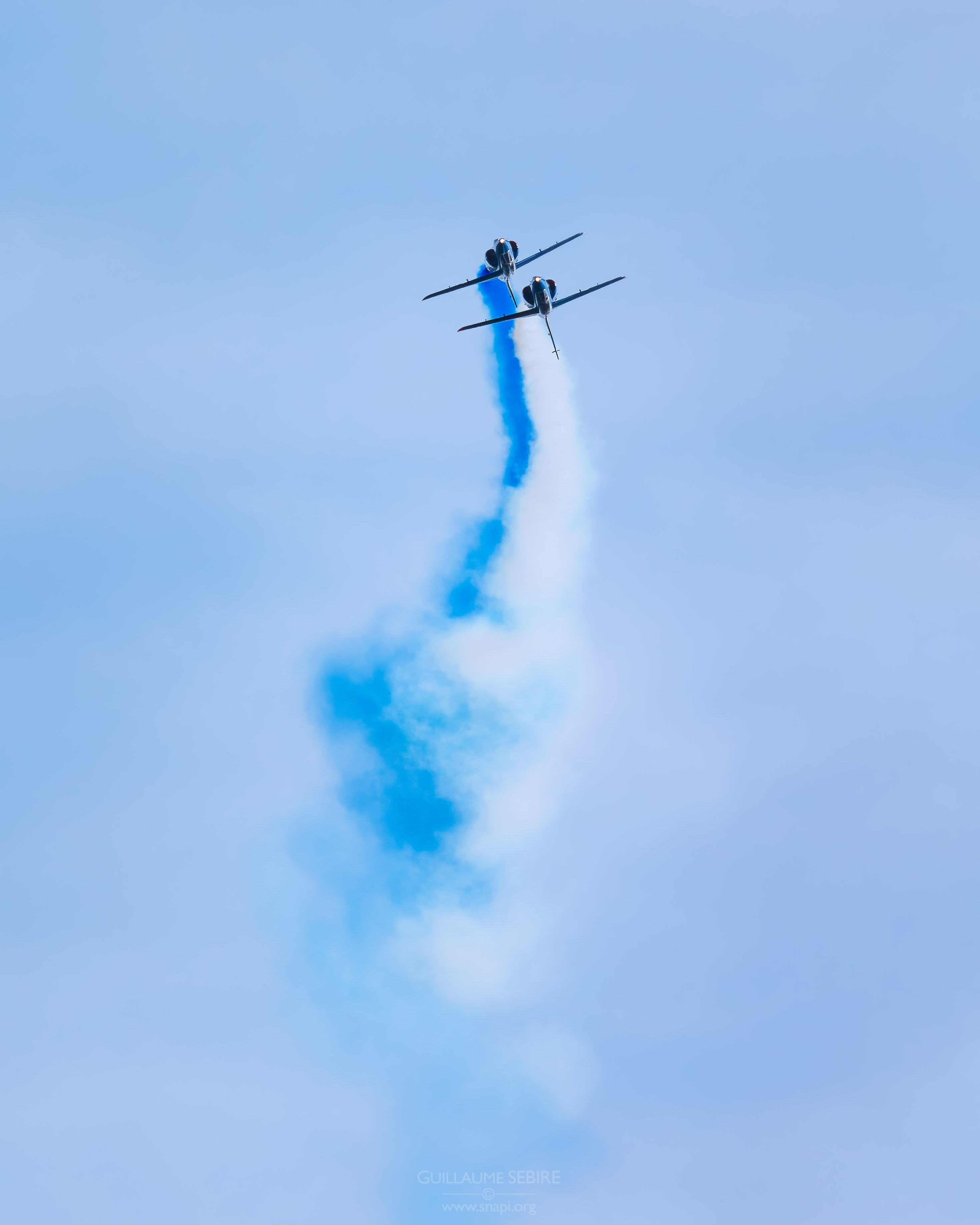
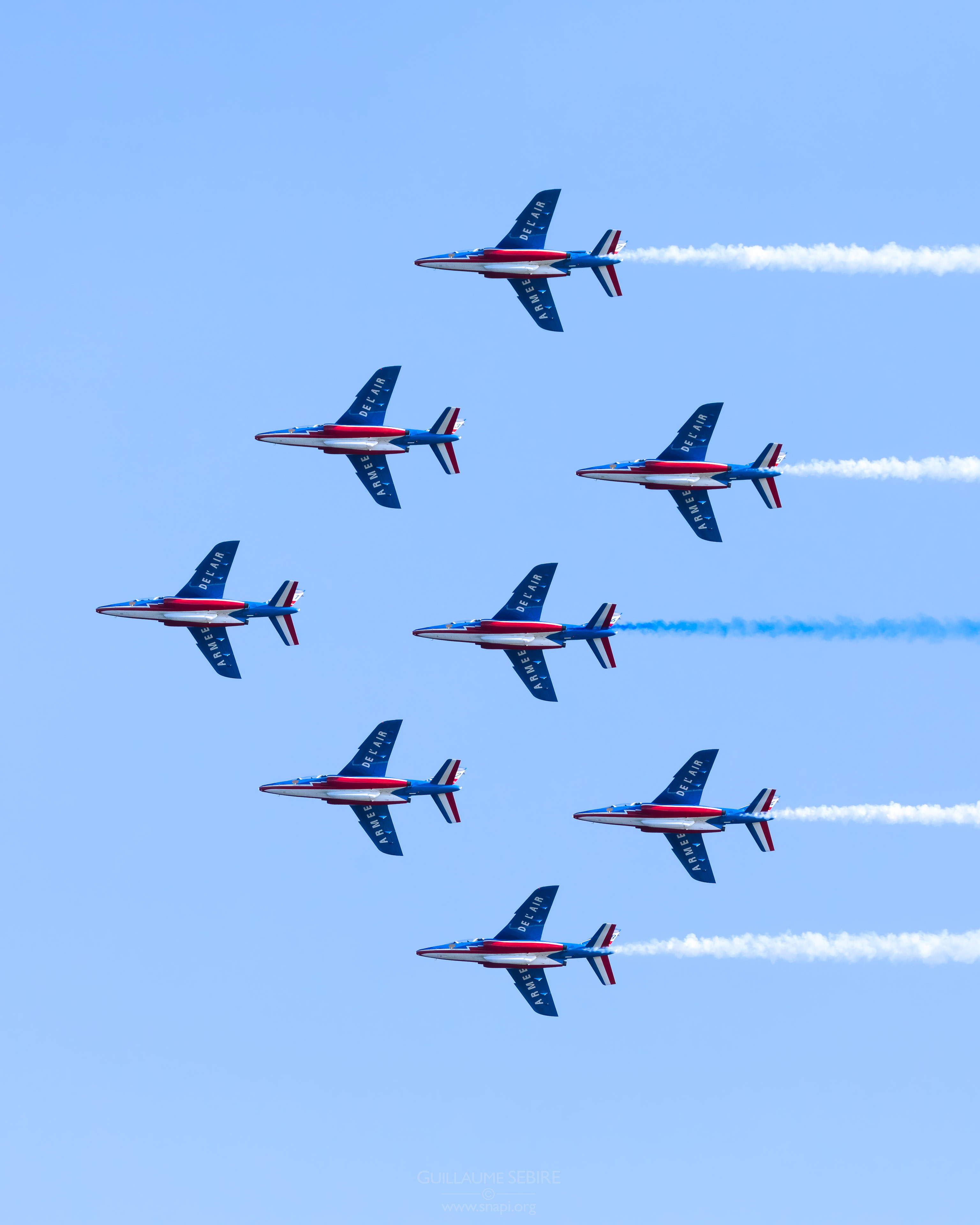
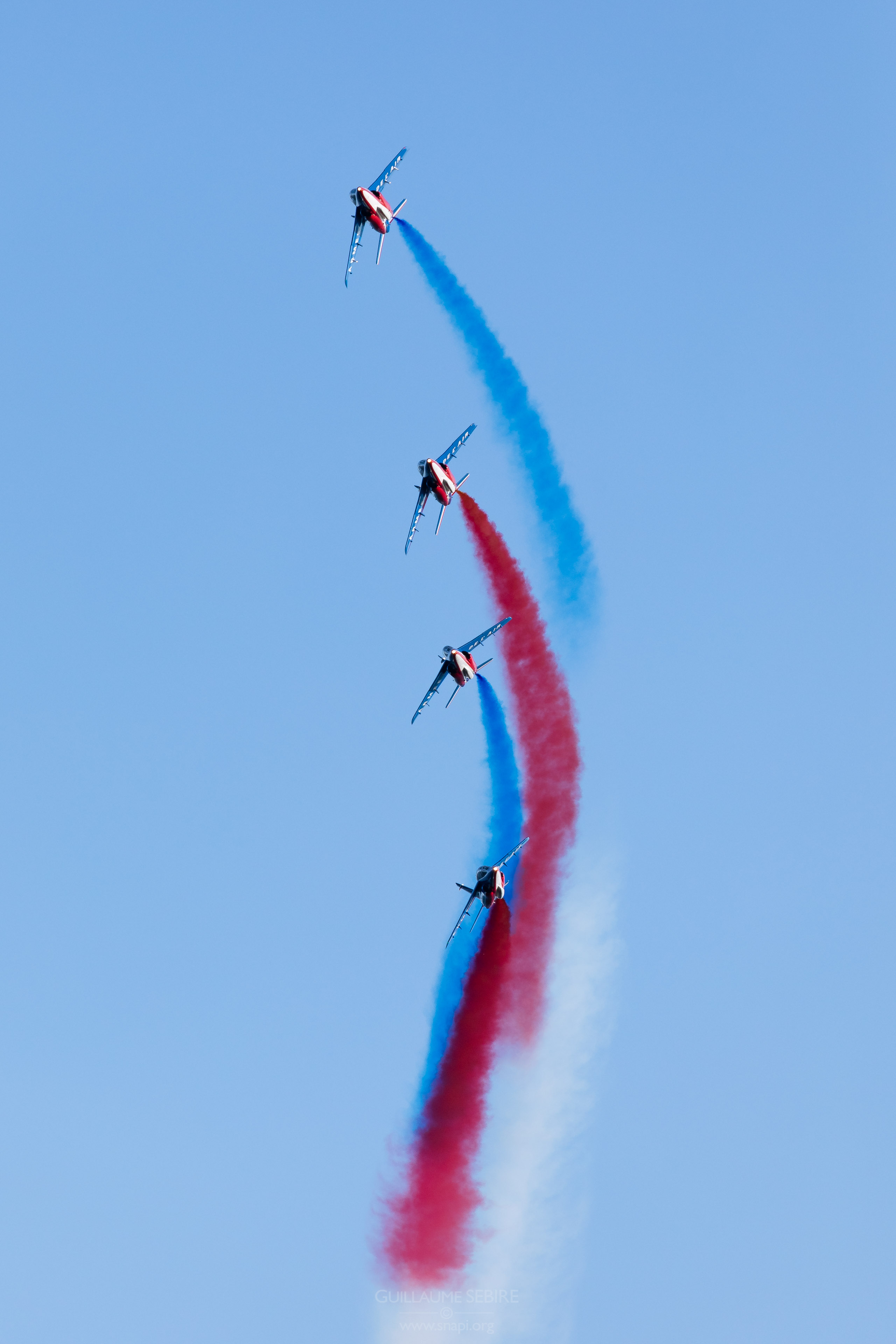
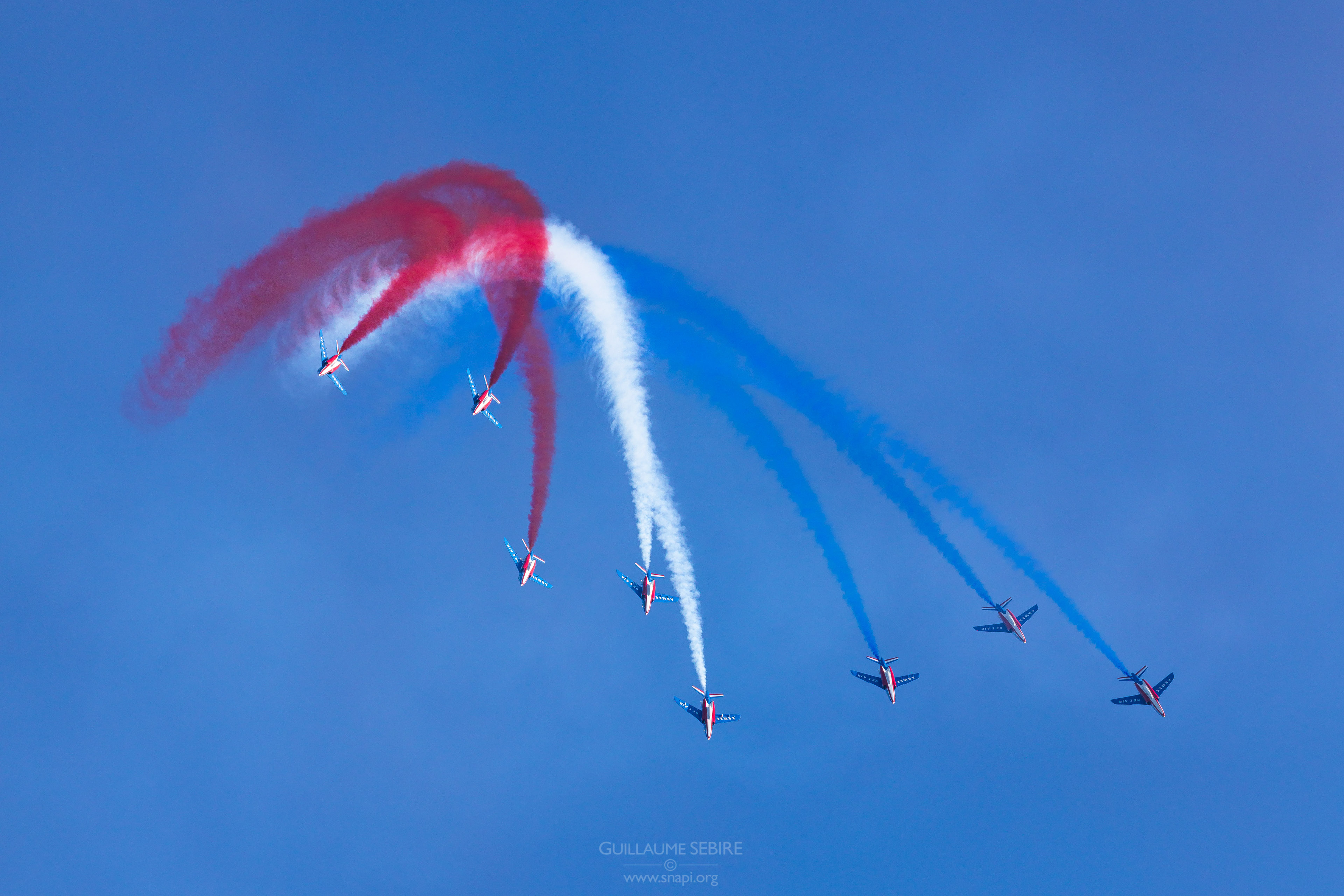
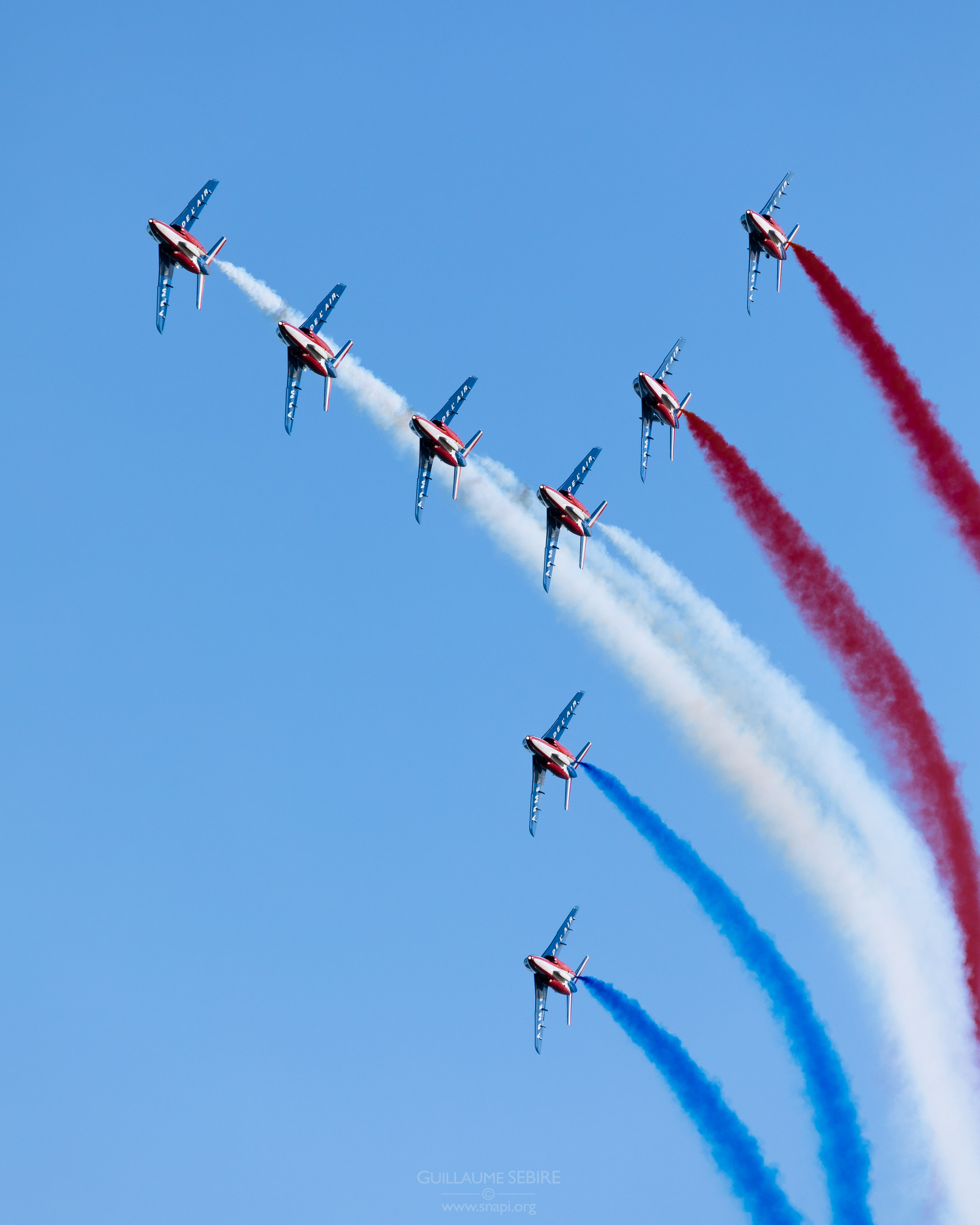
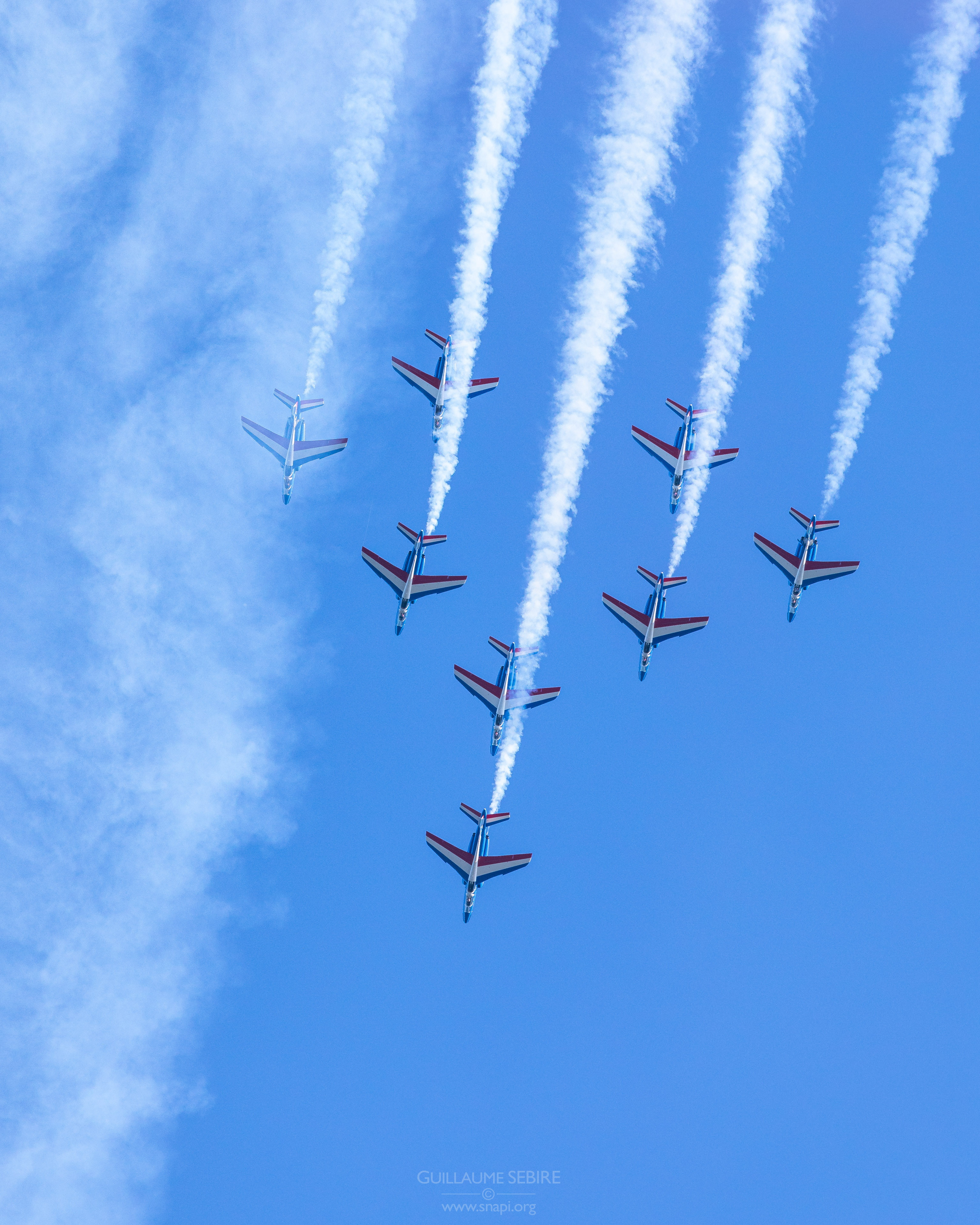
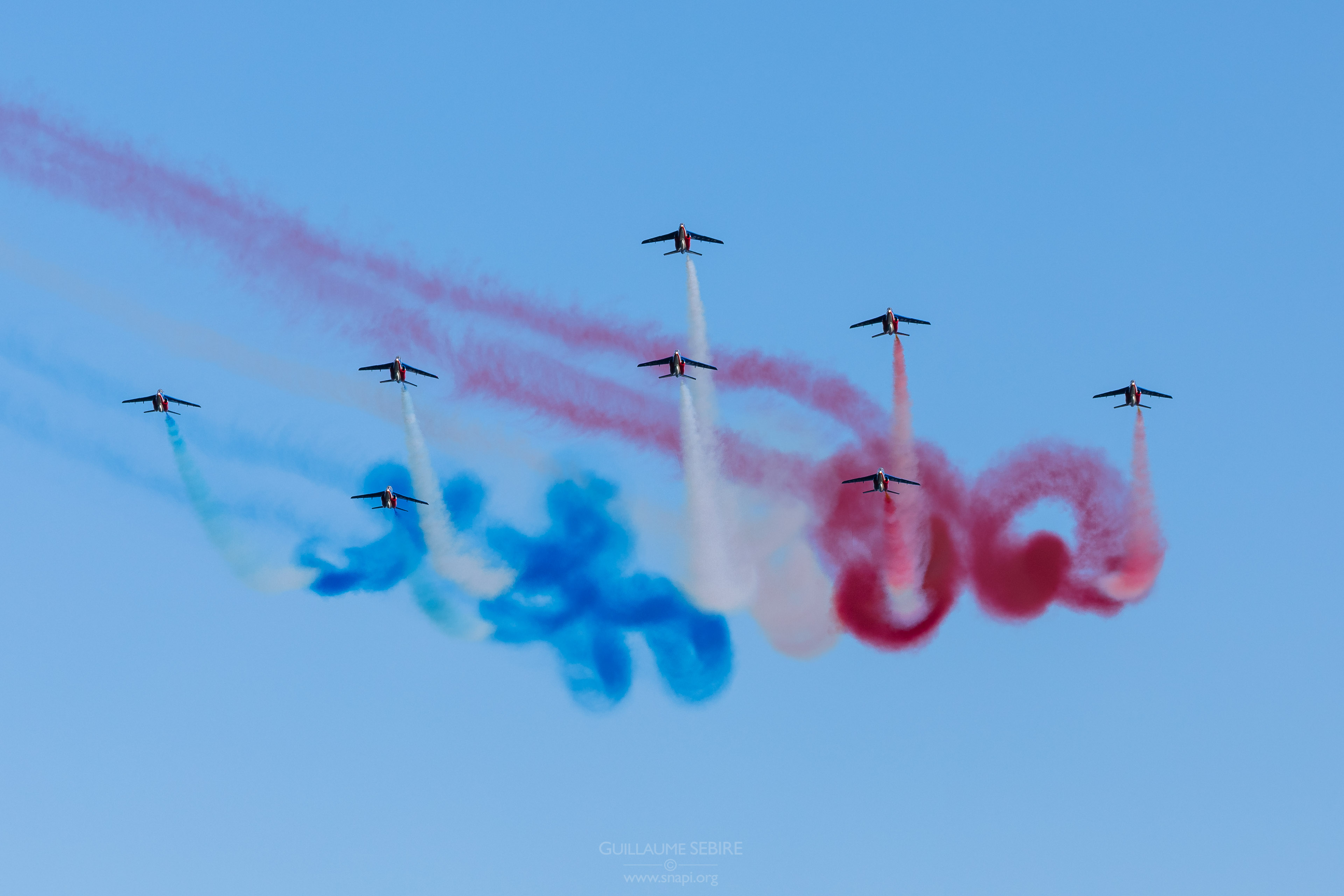
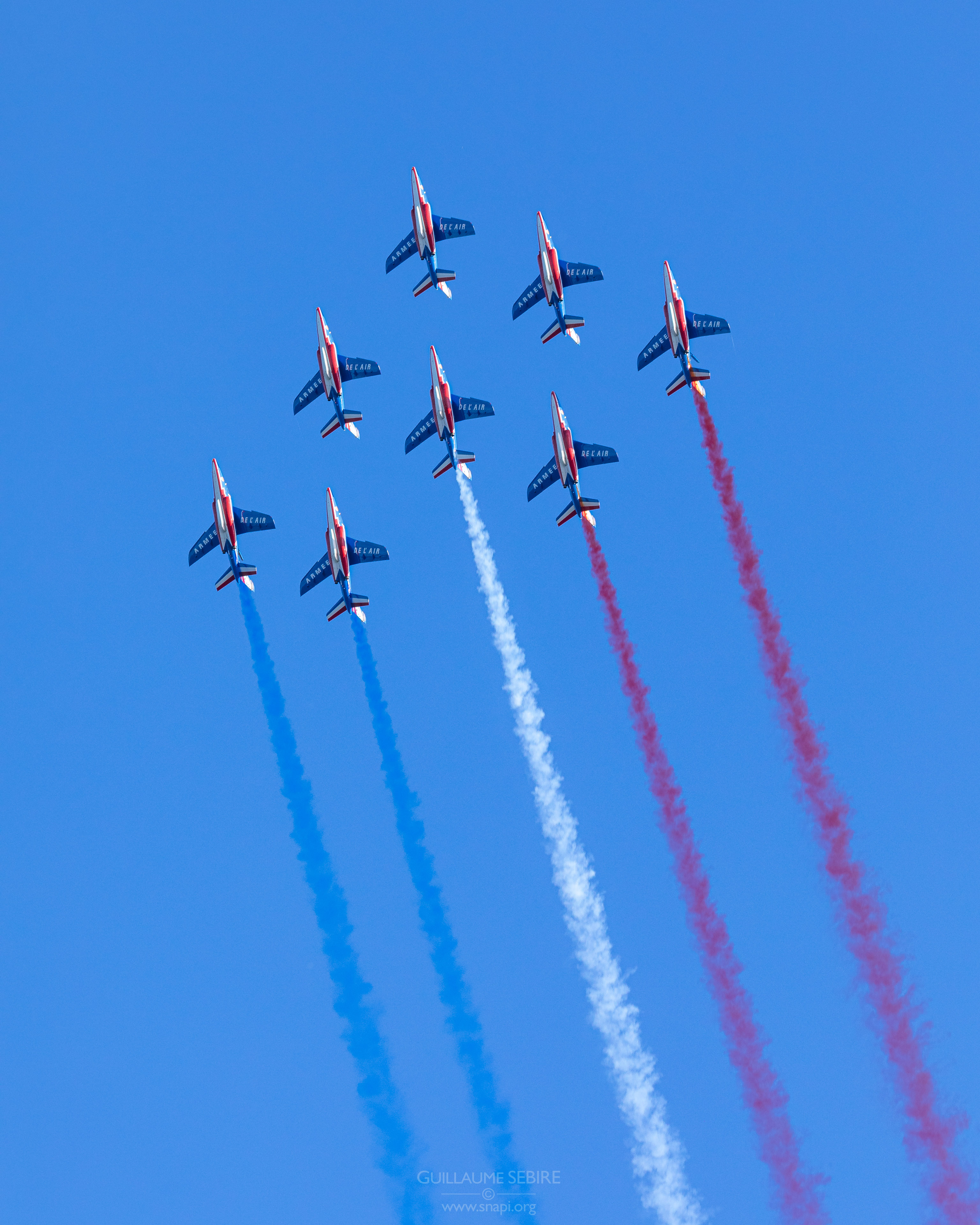
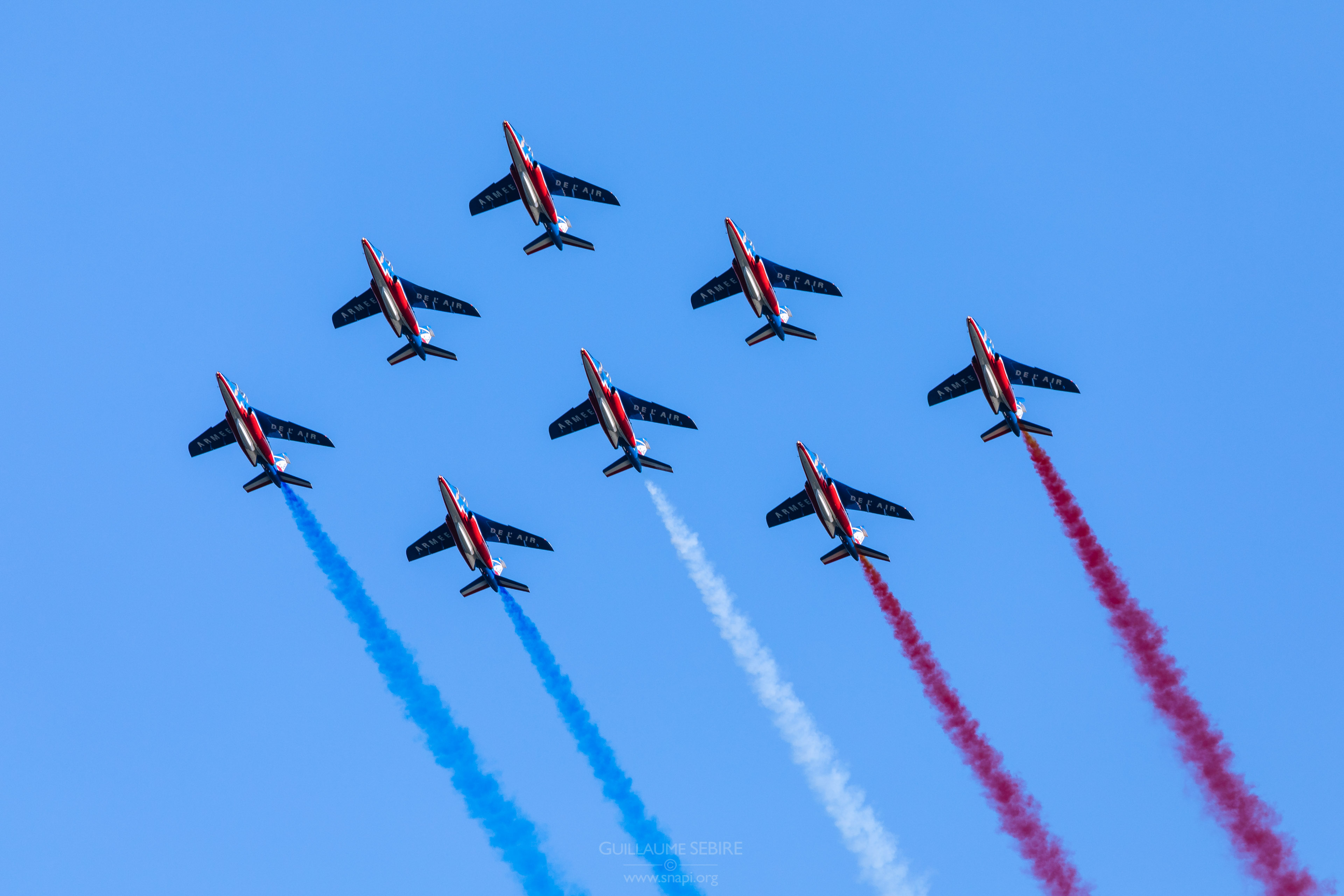
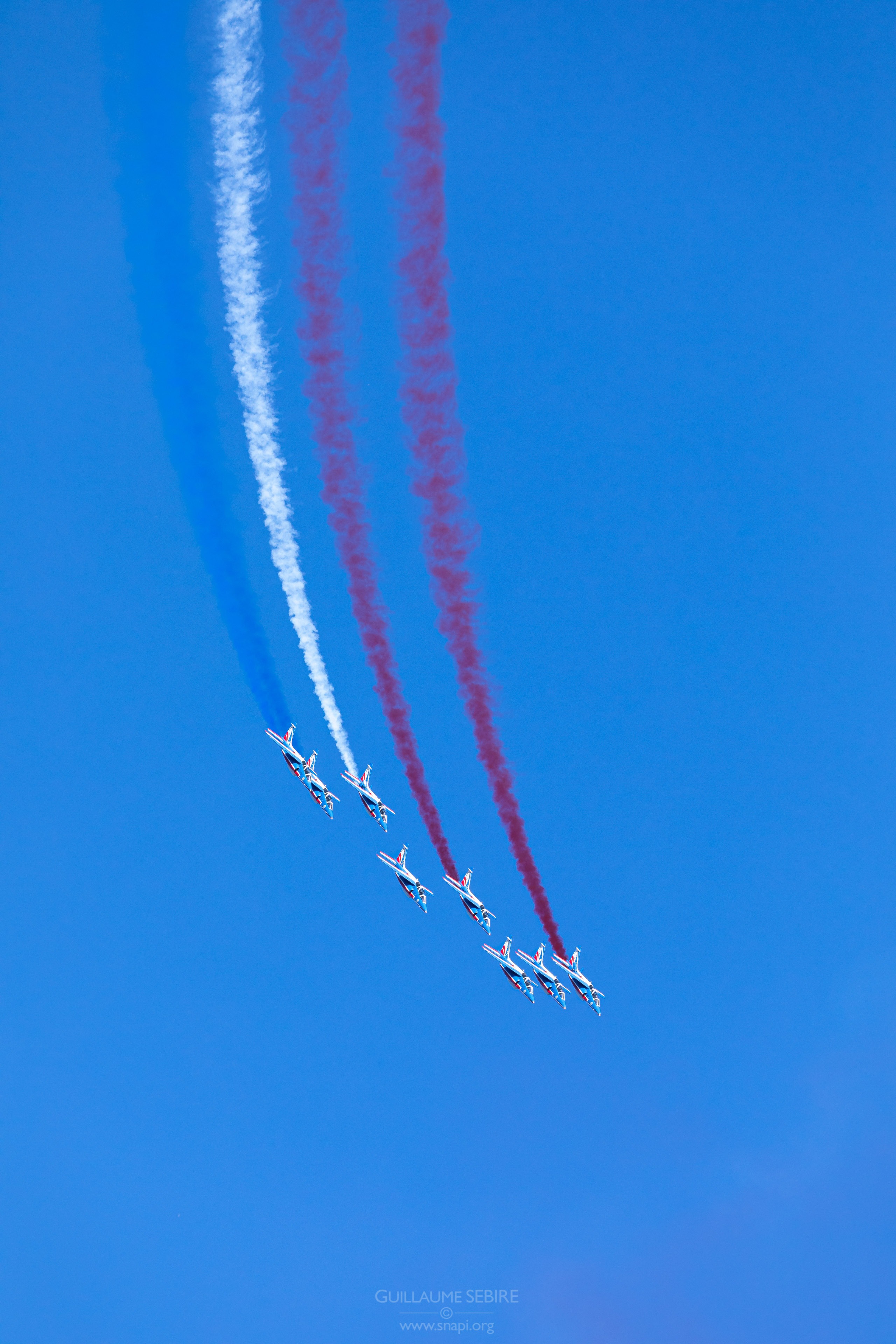
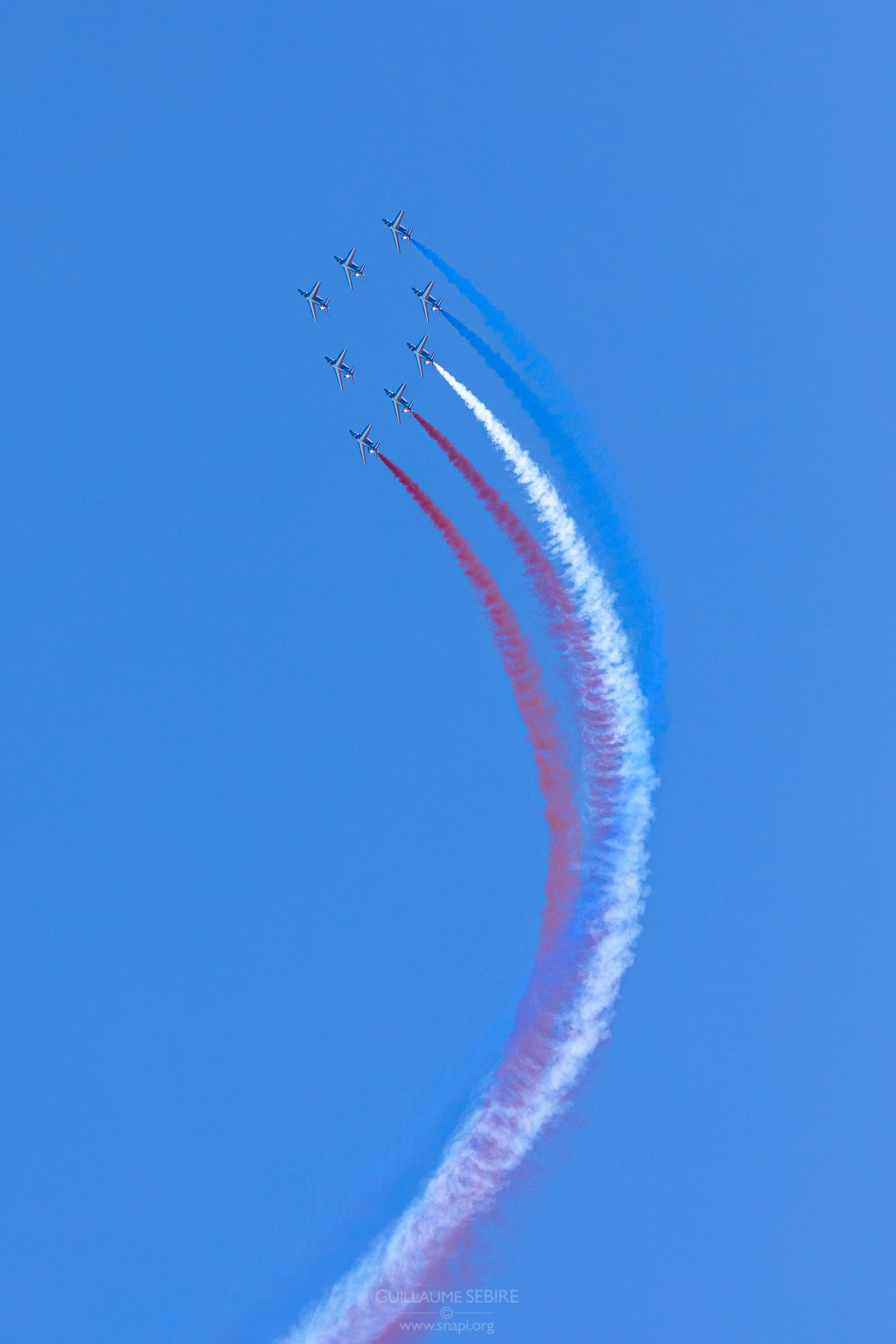
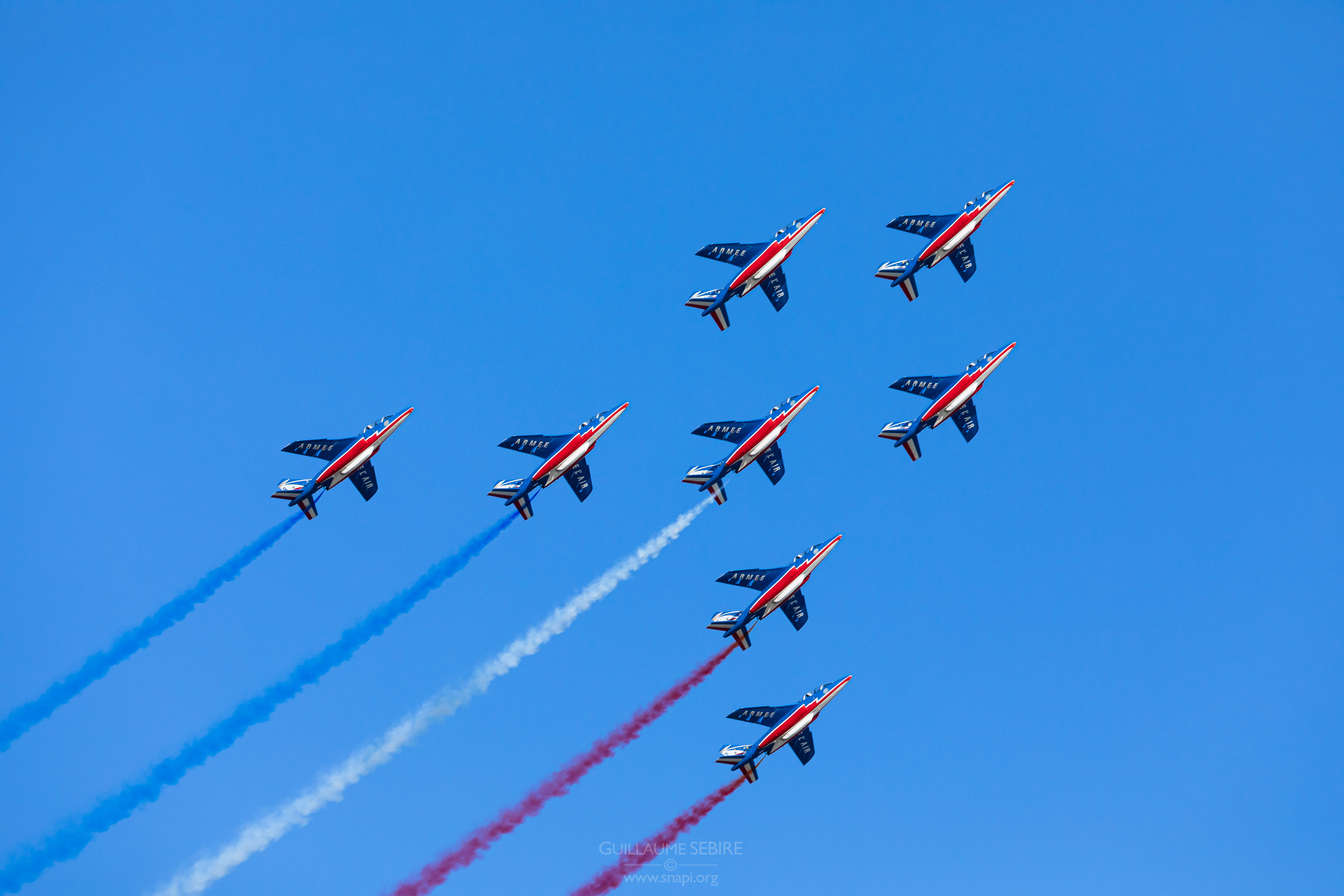
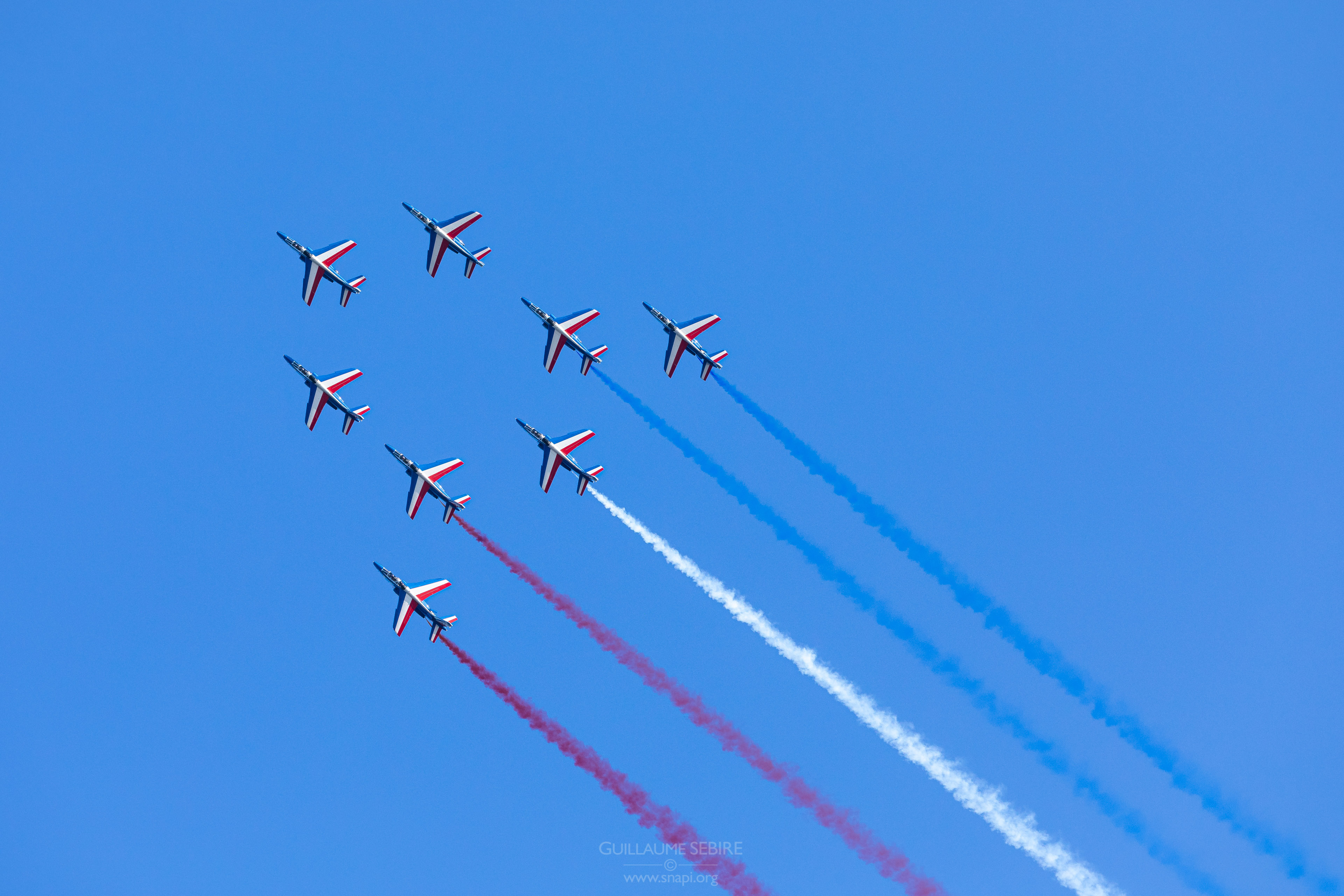
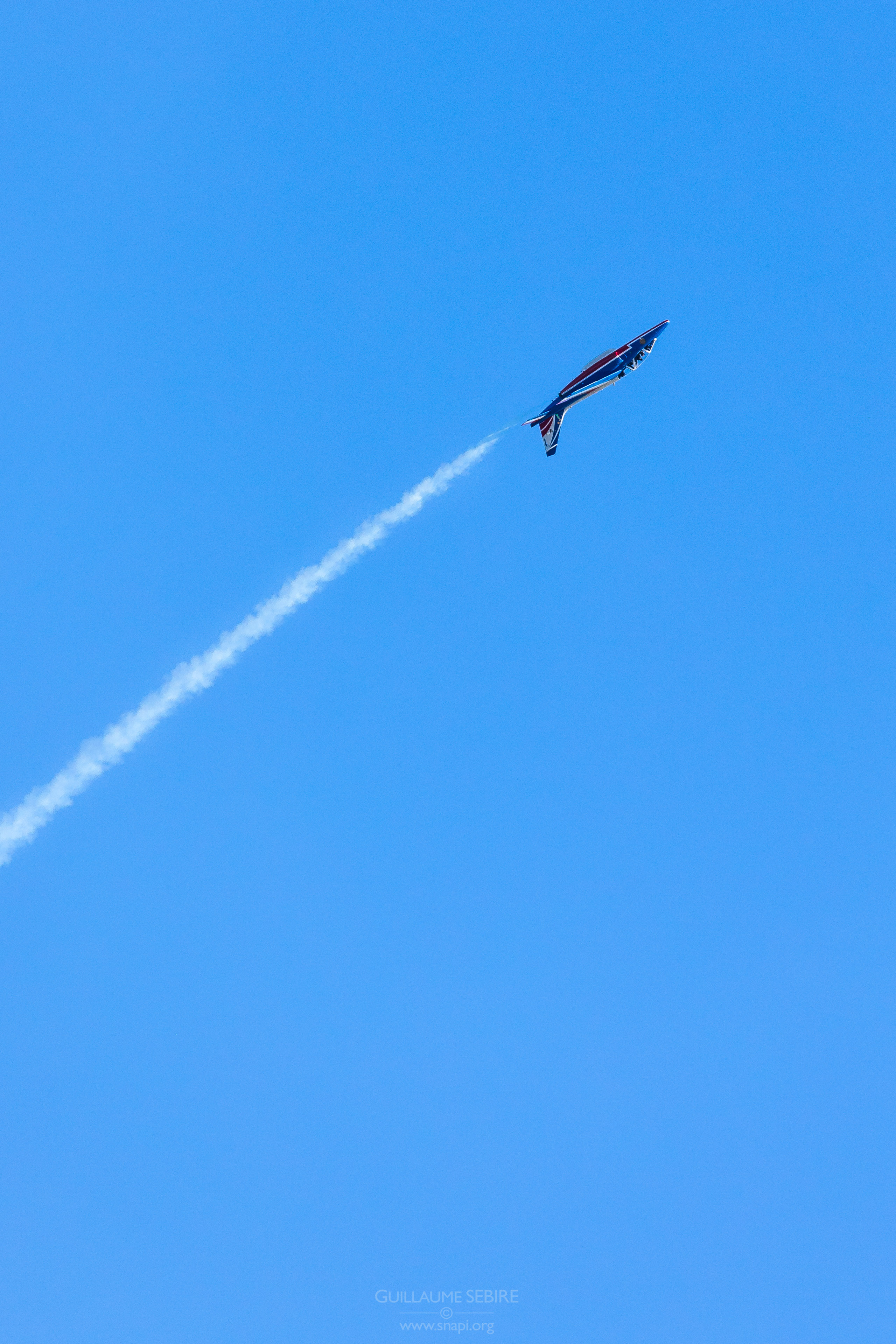
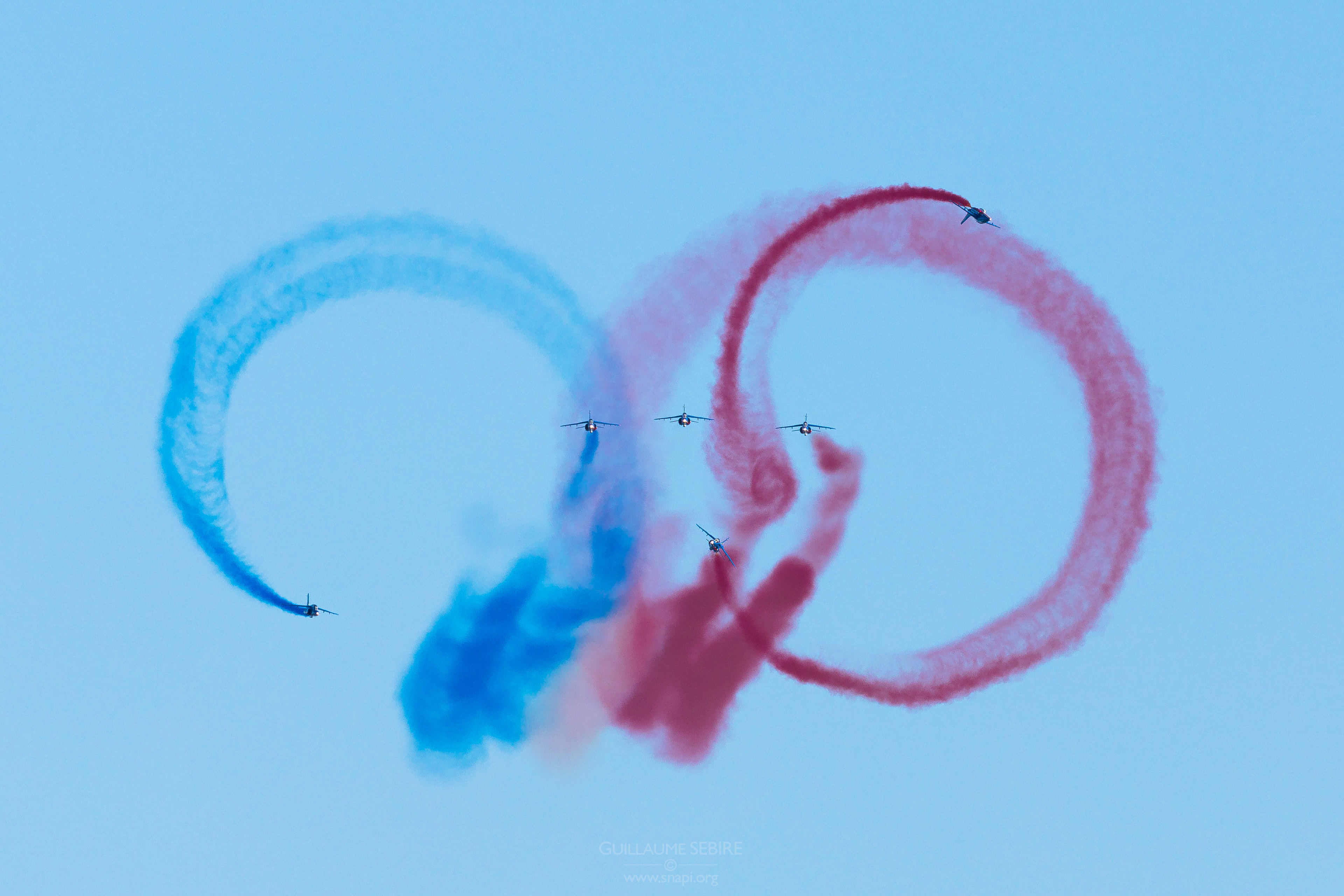
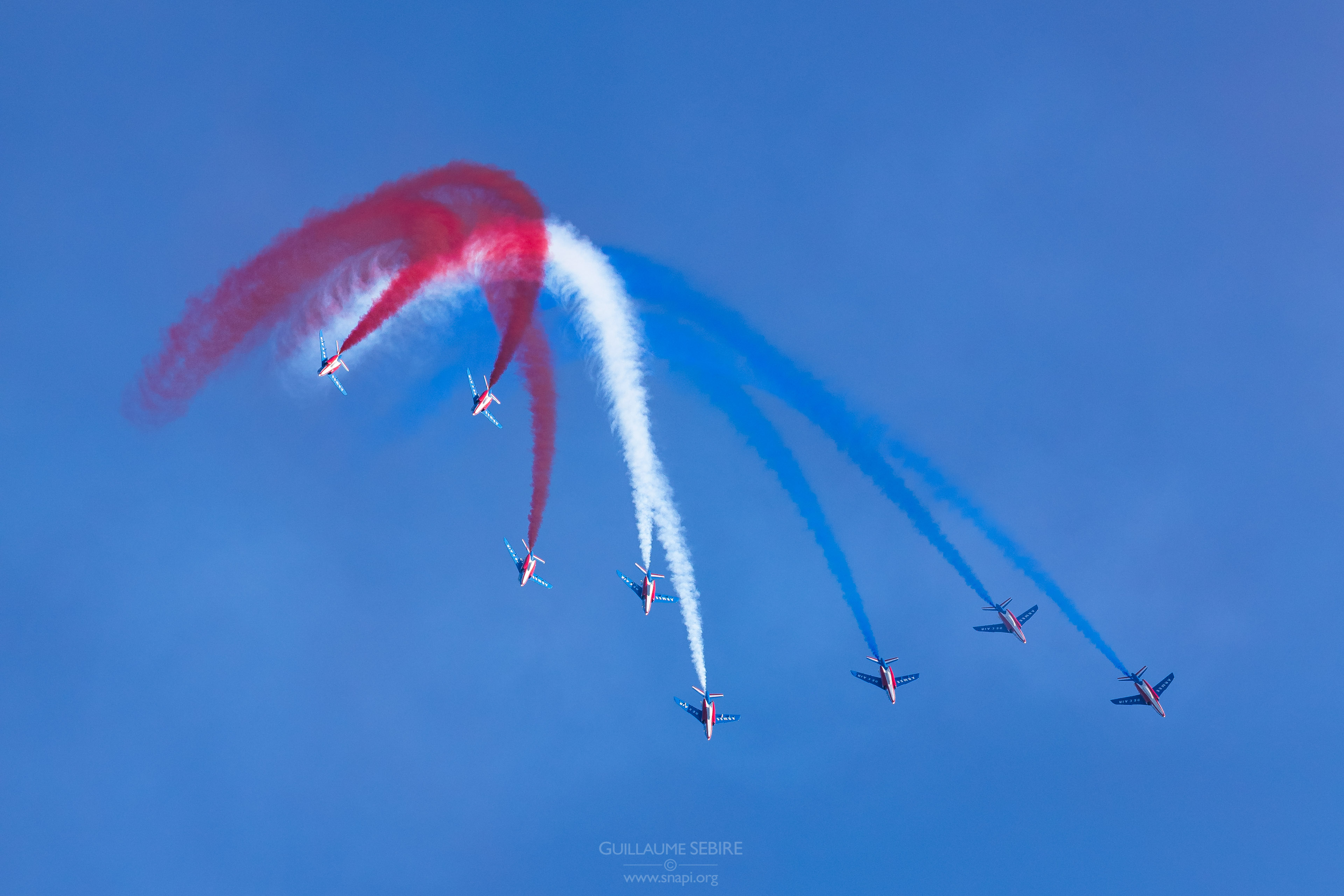
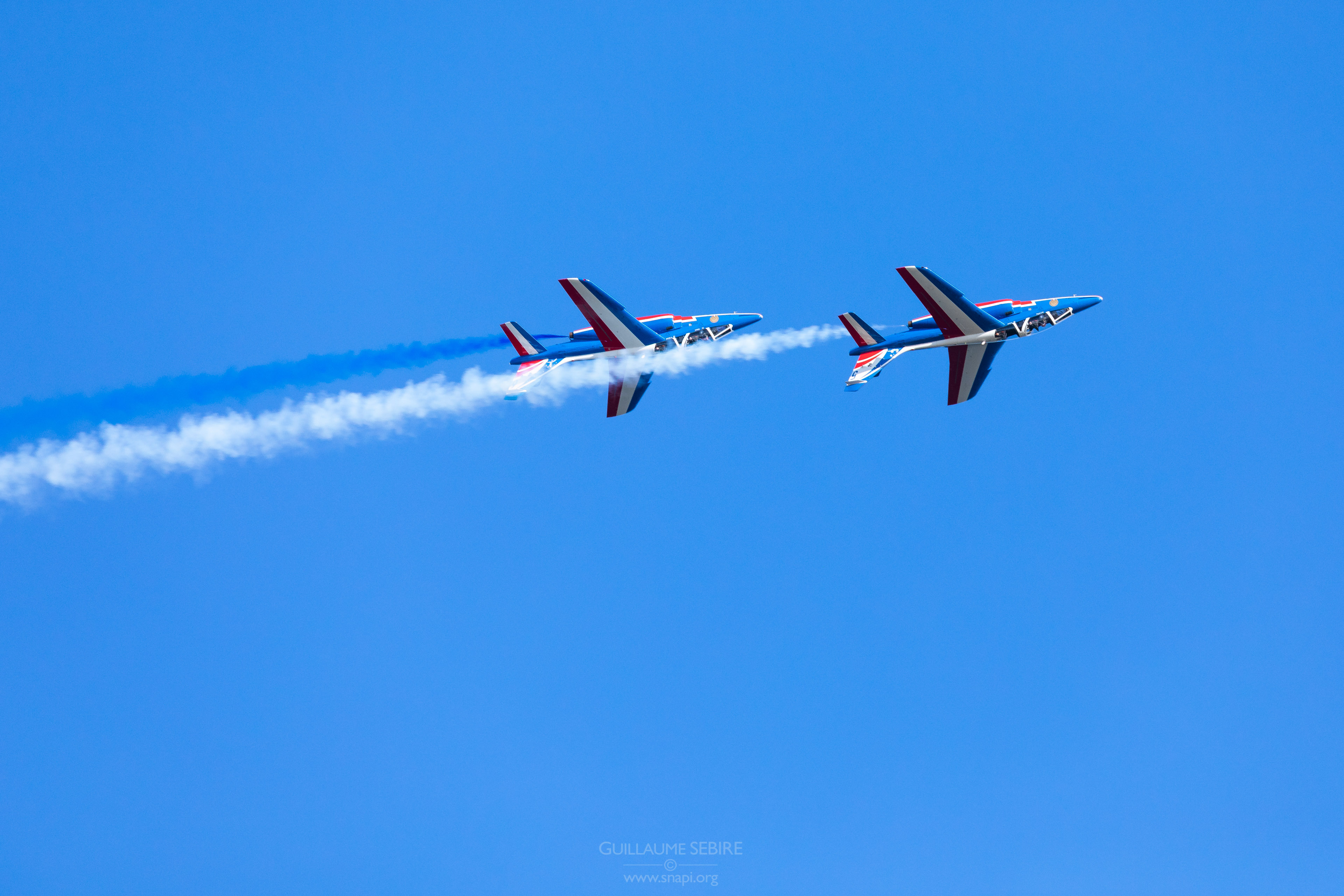
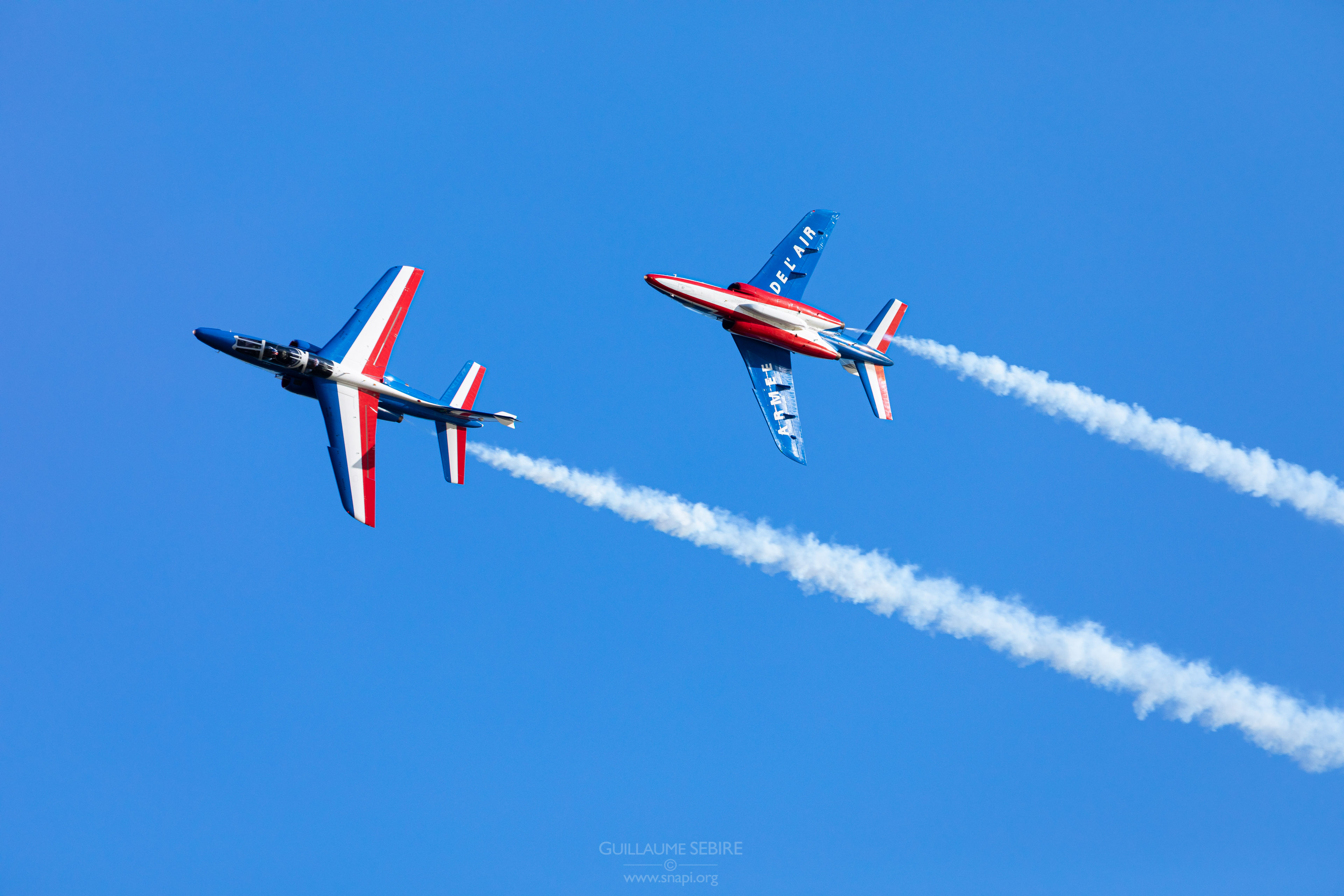
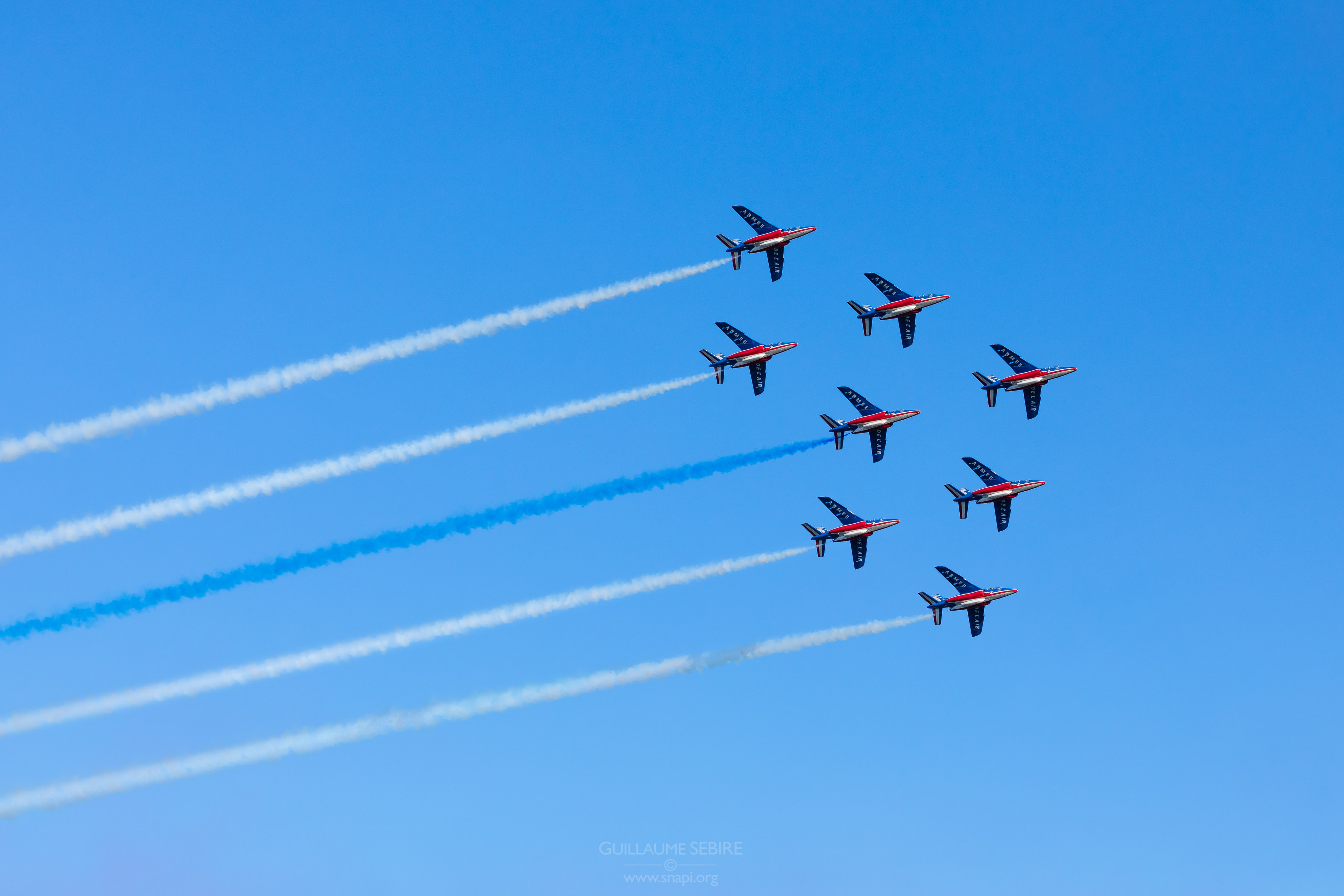
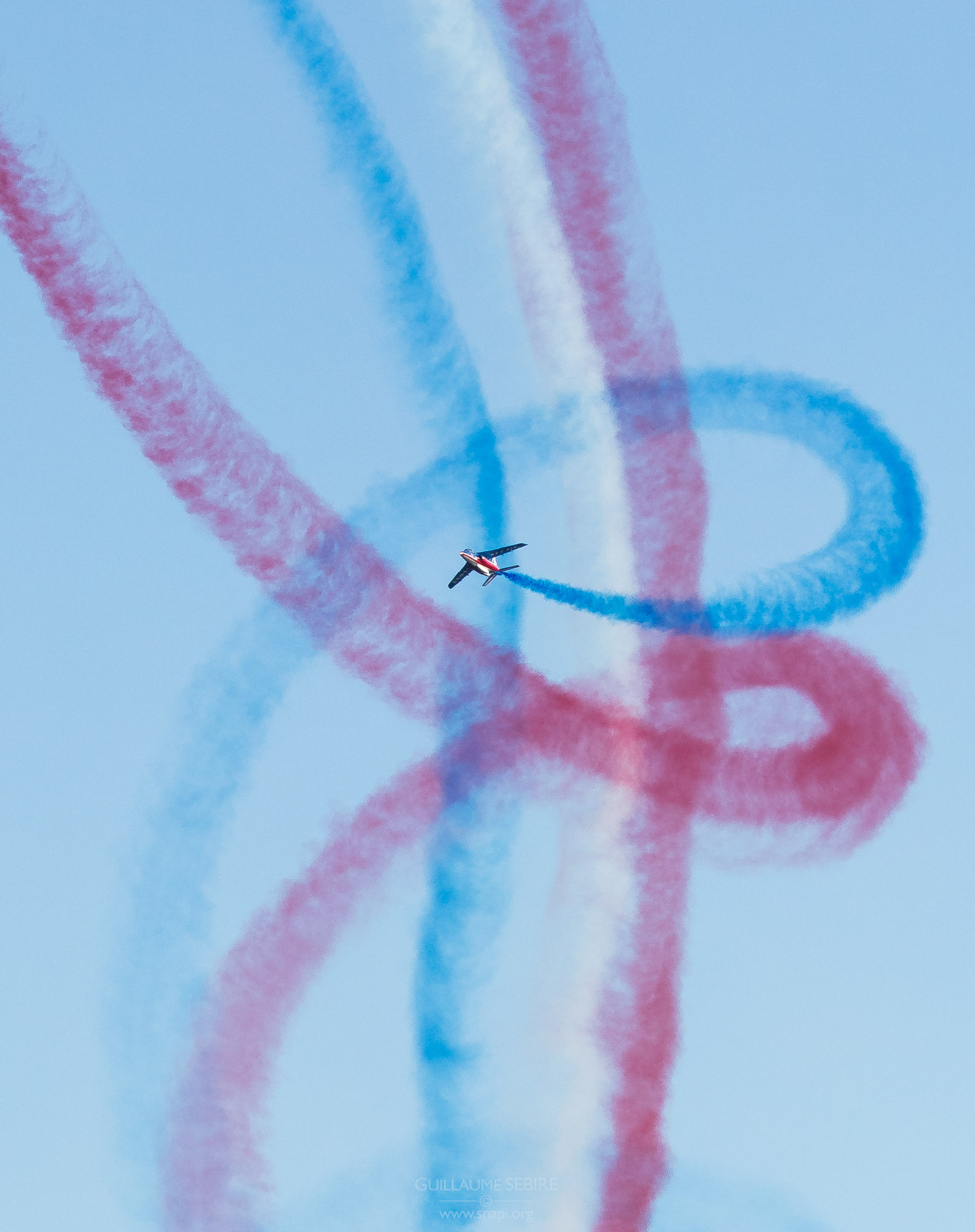
This gallery is of an airshow in Helsinki in early August 2021 that brought the Rafale and the Patrouille de France (among others) at home!
I had never seen the latter – so this was a pretty good opportunity to put my 5D Mark IV and 100-400mm combo to the test – and it did not disappoint. Camera+lens settings are always critical, but even more so when motion is at play – see hints and tips below.
Hints and tips:
- Shutter speed: For airplanes, the most critical settings of all is the shutter speed – there are two main avenues here: propellers vs jet engines. To shoot propeller planes in action, one needs to remember to show the rotating motion of the propellers, else it all looks odd (model plane hanging in mid-air). An exposure time of 1/250th of a second or slower achieves a reasonable compromise to get sharp images with rotating propellers, noting that at 400mm handheld a steady IS system is required. Fighter jets fly at a much much faster speed and do not have the propeller issue, but the speed is the main issue for getting sharp images; an exposure time of 1/1000th of a second or faster gives a solid result even at 400mm.
With the fixed shutter speed, it is then important to bear in mind to keep the aperture constant for optimum sharpness, say f/8.0. This then brings me to the last bit: exposure itself. With both shutter speed and aperture constant, ISO should be set to automatic (with some upper ISO limit set depending on acceptable noise level).
So overall: shoot Manual, fixed shutter speed (1/250s or slower for propellers; 1/1000s or faster for jets), fixed aperture (select per sharpness), auto ISO - Metering: I use centre-weighted (not spot) which gives pretty good results overall, noting the plane is usually darker than its environment, but unless you're shooting completely against the sun, centre-weighted metering delivers pretty good exposures of the plane and sky.
- Autofocus: using AI servo (on Canon) is the go-to setting so the AF runs constantly focusing on your subject (the servo algorithm can be adjusted to your liking depending on your camera).
- Shooting mode: Last, shoot in burst mode (high speed), to ensure you will get all pieces of the action of course, but importantly some pin sharp images among these (some will be blurry).